
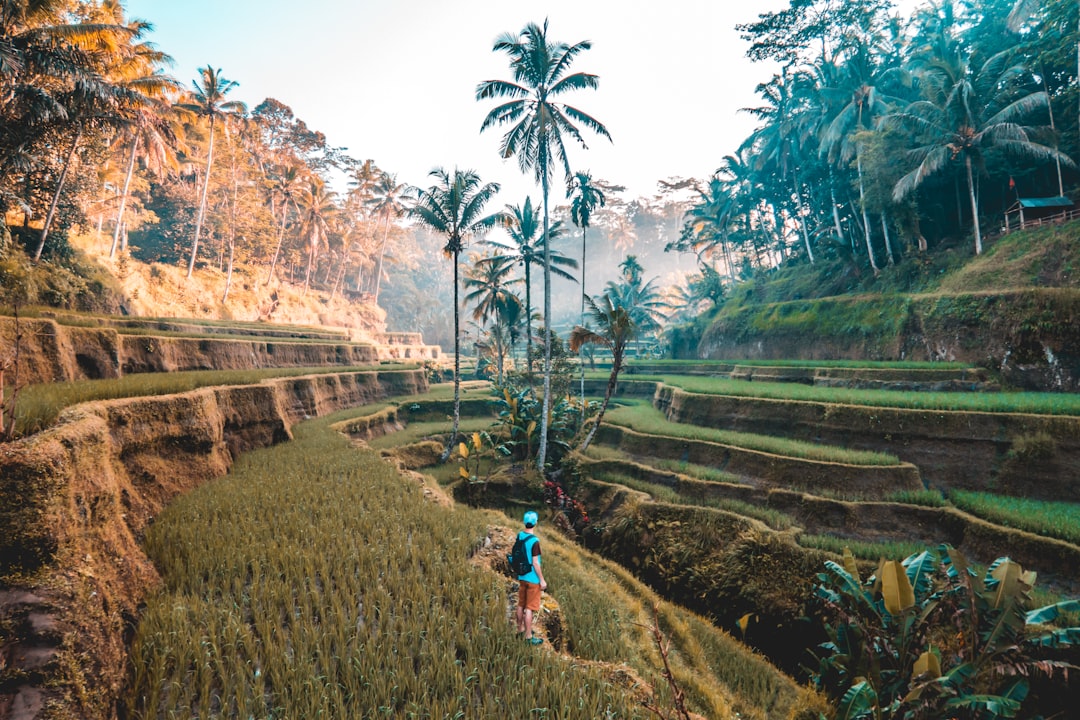
In our fast-paced world, travel often becomes another task to check off the list—fly to the destination, snap some photos, and head home. But what if we approached travel differently? Welcome to the world of slow travel, where the journey becomes just as meaningful as the destination itself.
Slow travel is not merely a style; it’s a philosophy. It invites you to pause, breathe, and immerse yourself in the culture and environment of a place. Rather than hopping from city to city, slow travel encourages you to stay in one location for an extended period, giving you the opportunity to explore its nuances and connect with its people.
Imagine waking up in a quaint village in Tuscany, where your day starts with a leisurely walk to the local market. Here, you’re not just buying groceries; you’re experiencing the Italian way of life. You learn about local cheeses from the vendor, practice your Italian with the baker, and savor a freshly brewed espresso while watching the world go by. This unhurried pace allows you to form genuine connections and gain a deeper understanding of the place you’re visiting.
Slow travel is also kinder to the environment. By choosing local transport, such as buses or bicycles, over planes and rental cars, you reduce your carbon footprint. Moreover, staying in one place longer means less packing and unpacking, less waste, and more meaningful interactions with locals who might share their favorite hidden spots with you—those gems not listed in guidebooks.
Another significant benefit of slow travel is its impact on your mental health. Taking the time to truly engage with your surroundings can be meditative. It provides a much-needed break from the constant barrage of information and the need for instant gratification. Slow travel fosters mindfulness, allowing you to focus on the present moment and fully appreciate the experience.
For budget travelers, slow travel can be incredibly economical. By staying in one place longer, you can often negotiate better rates on accommodations and take advantage of local discounts and offers. Plus, cooking your meals with fresh, local ingredients can be far cheaper than dining out for every meal.
The essence of slow travel is about creating stories and memories, not just itineraries. It encourages a spirit of exploration and spontaneity, urging you to wander off the beaten path and discover the true heart of a place. It’s about learning the local history, engaging in meaningful conversations, and perhaps even picking up a few new skills or recipes.
In conclusion, slow travel is a transformative approach that invites you to travel deeper and more meaningfully. It’s an antidote to the whirlwind tours that leave you feeling more exhausted than when you started. So next time you plan a trip, consider slowing down. You might just find that the journey itself holds more magic than you ever imagined.
